Corrientes Under Siege: How Heavy Rains Are Driving the Uruguay River Crisis
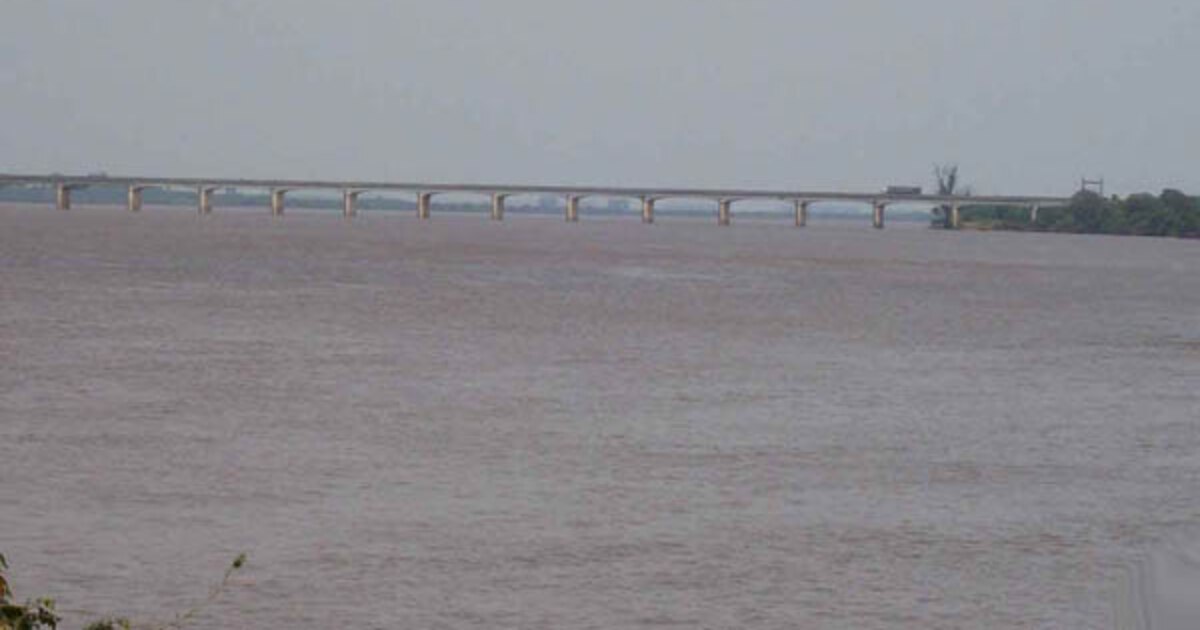
The northeastern province of Corrientes, Argentina, finds itself in a state of heightened alert as relentless heavy rains in the region's upper basins have triggered a significant surge in the Uruguay River's levels. This escalating flood crisis has led to widespread disruption, forcing road closures, displacing families, and placing immense pressure on local authorities. Understanding the current *altura del río Uruguay hoy* (Uruguay River height today) is paramount for residents, emergency services, and commuters navigating this challenging period.
For days, the provincial landscape has been grappling with the aftermath of exceptional precipitation, primarily originating upstream in Brazil and impacting the vast Paraná and Uruguay river systems. The repercussions are now acutely felt in Corrientes, where communities are witnessing their vital arteries succumb to the rising waters. This article delves into the causes, immediate impacts, and ongoing efforts to manage this critical environmental event.
Unprecedented Rainfall and the Swelling Uruguay River
The root of the current flood crisis lies hundreds of kilometers away, where intense and prolonged rainfall has drenched the upper reaches of the Uruguay and Paraná River basins. These distant deluges send massive volumes of water cascading downstream, creating a cumulative effect that ultimately manifests as significant flooding in areas like Corrientes. Initially, the Entidad Binacional Yacyretá (EBY) issued a stark warning as early as November 14th regarding substantial increases in the Paraná River's levels due to these torrential rains, impacting areas already struggling with overflow. The Yacyretá hydroelectric complex, situated on the Paraná, reported dramatic increases in inflow from both Brazilian territories and its direct contribution basin, setting the stage for what would become a dual-river crisis.
The sheer volume of water entering the system has led to the Uruguay River reaching critical levels, directly affecting communities along its banks. Monitoring the *altura del río Uruguay hoy* has become a daily, even hourly, necessity for understanding the extent of the threat and anticipating further impacts. This natural phenomenon, exacerbated by climate patterns, underscores the interconnectedness of large river systems and the vulnerability of human settlements within their floodplains.
Road Closures and Disruption: The Immediate Impact
One of the most immediate and visible consequences of the surging waters is the forced closure of key transportation routes. Route Provincial 94, a vital artery in northeastern Corrientes, has been completely cut off. Water has breached the asphalt, making passage impossible at multiple points, notably near the bridges over the Arroyo Ciriaco and Arroyo Morredor. These closures are not just inconveniences; they sever connections for local communities, isolating residents and impacting commerce.
The affected stretch of Route 94 is strategically important, being close to the locality of Garabí, specifically near the end of Paraje Atalaya and the vicinity of Garruchos. This area is approximately 359 kilometers east of the provincial capital and 113 kilometers south of Posadas, Misiones, highlighting the widespread nature of the disruption. Traffic interruption here means longer detours, increased travel times, and logistical nightmares for local businesses and emergency services. The dramatic
Uruguay River levels directly necessitated this closure, making the current *altura del río Uruguay hoy* a critical data point for local authorities planning reopening strategies.
Authority Response and Monitoring Efforts
Responding to the crisis, a concerted effort is underway by various provincial and national agencies. Defensa Civil (Civil Defense) and Vialidad Provincial (Provincial Roadways) are on the ground, actively controlling circulation and managing the interrupted traffic flow. They are not only coordinating the passage of essential vehicles but also establishing temporary closures, with the safety of citizens as their paramount concern.
Adding to these efforts, the Police of Corrientes have deployed personnel at various road checkpoints to inform the public about alternative routes and detours, as communicated by Télam. This coordinated approach is crucial for minimizing risks and ensuring that necessary aid can reach affected areas.
A comprehensive monitoring system is also in full swing. The Prefectura Naval Argentina (PNA) is closely tracking water levels at 23 ports along the Uruguay River. Alarmingly, 18 of these ports are currently under "alert or evacuation" status, indicating the severe and widespread nature of the flooding. While some areas like Monte Caseros and Mocoretá in Corrientes, and Federación Embalse, Salto Grande Arriba, and Salto Grande Abajo, have fortunately reported a slight decrease in river levels this Monday, others continue to face critical situations. In Garruchos, the very zone where Route 94 is cut, the Uruguay River registered a staggering 20.42 meters – more than six meters above its evacuation level – a grim indicator of the crisis's intensity. This precise data on the
Altura Del Río Uruguay Hoy is vital for immediate response and future planning.
Broader Consequences and Community Resilience
This isn't an isolated incident. Earlier this month, over 150 families in Corrientes were already displaced due to the swelling Paraná and Uruguay rivers, a direct result of intense rainfall in Brazil's upper basin. These recurring events highlight the growing vulnerability of communities to extreme weather patterns, a phenomenon increasingly linked to climate change. The increased flow into the Yacyretá reservoir also played a significant role, demonstrating how large-scale infrastructure projects can sometimes influence, and be influenced by, such massive hydrological events.
The long-term consequences extend beyond immediate displacement and road closures. Agricultural lands are inundated, impacting livelihoods and food security. Infrastructure, including bridges and drainage systems, faces severe stress, requiring costly repairs and upgrades. The local economy suffers as transportation grinds to a halt and normal activities are suspended.
Safety Tips for Affected Residents
For those living in or near flood-prone areas, staying informed and prepared is crucial:
- Heed Official Warnings: Always follow instructions from Defensa Civil and local police regarding evacuations, road closures, and safety protocols.
- Avoid Flooded Areas: Never attempt to drive or walk through flooded roads or underpasses. Hidden hazards and strong currents can be extremely dangerous.
- Prepare an Emergency Kit: Have a kit ready with essential documents, non-perishable food, water, medications, flashlights, and a battery-powered radio.
- Stay Informed: Regularly check official sources for updates on the *altura del río Uruguay hoy*, weather forecasts, and road conditions.
- Secure Your Property: If time allows and it's safe to do so, move valuables to higher ground and unplug electrical appliances.
Understanding the River's Pulse
The *altura del río Uruguay hoy* is more than just a number; it's a critical indicator of the health and behavior of a powerful natural force. For communities along its banks, it represents safety, economic stability, and the ability to navigate their daily lives. As Corrientes endures this challenging period, the diligent monitoring by authorities, coupled with community vigilance and preparedness, will be crucial in mitigating the impacts and fostering recovery.
Conclusion
The Corrientes flood crisis, driven by an exceptional surge in the Uruguay River's levels due to relentless upstream rainfall, serves as a powerful reminder of nature's formidable power. From severed transportation links on Route Provincial 94 to the displacement of families and the vigilance across 18 ports, the challenge is immense. While authorities tirelessly work to manage the immediate fallout and provide critical information on the *altura del río Uruguay hoy*, this event underscores the urgent need for enhanced regional cooperation, robust infrastructure development, and proactive community preparedness to face an increasingly unpredictable climate. As the waters eventually recede, the lessons learned from this crisis will undoubtedly shape future strategies for resilience in Argentina's northeastern provinces.