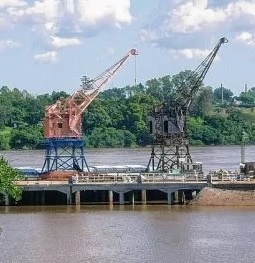
Uruguay River Swells: Route 94 Closed in Corrientes Due to Flooding
The relentless surge of the Uruguay River has once again gripped the province of Corrientes, leading to critical disruptions and heightened alerts. Following days of intense rainfall in its upper basin, the river's Altura Del Río Uruguay Hoy (Uruguay River Level Today) has reached alarming heights, forcing authorities to implement a full closure of Provincial Route 94. This vital artery, traversing the northeastern sector of Corrientes, now lies submerged in several key areas, creating significant challenges for local communities and travelers alike.
The situation underscores the profound impact of meteorological events on regional infrastructure and the daily lives of thousands. As the waters continue to rise and recede in various pulses, the focus remains firmly on public safety and the coordinated efforts to manage this evolving flood crisis.
The Unfolding Crisis: Route 94 Submerged and Isolated
The decision to cut off transit on Provincial Route 94 came swiftly as floodwaters rapidly encroached upon the asphalt. The most affected sections are notably at the bridge spanning the Arroyo Ciriaco and in the immediate vicinity of the Arroyo Morredor. These smaller waterways, typically manageable, have overflowed their banks dramatically, acting as conduits for the rising Uruguay River and effectively severing the road.
This critical closure impacts connectivity for several localities, most notably those around Garabí, a sector towards the end of Paraje Atalaya, and the community of Garruchos. Geographically significant, Garruchos lies approximately 359 kilometers east of Corrientes capital and 113 kilometers south of Posadas, Misiones, making the route closure a substantial logistical hurdle for regional travel and commerce. The latest Altura Del Río Uruguay Hoy measurement at Garruchos stands at a staggering 20.42 meters – more than six meters above the established evacuation level, according to data from the Prefectura Naval Argentina (PNA). This alarming figure serves as a stark indicator of the severity and urgency of the situation on the ground, prompting immediate warnings against any circulation through the area unless absolutely necessary and with extreme caution.
Coordinated Response: Safeguarding Communities and Guiding Traffic
In the face of this escalating natural event, a well-orchestrated response is underway, involving multiple provincial agencies. Defensa Civil and Vialidad Provincial are at the forefront, diligently monitoring the affected zones and actively managing traffic flow. Their immediate objectives include establishing the duration of the complete traffic interruption and coordinating the passage of essential vehicles, though general transit remains entirely halted on the affected stretches of Route 94.
Further bolstering these efforts, the highway patrol posts operated by the Policía de Corrientes are playing a crucial role in disseminating vital information. They are actively informing motorists about the impassable sections and guiding them towards designated detours and alternative routes, ensuring public safety and minimizing disruption where possible. This coordinated communication strategy, as reported by Télam, is essential in preventing stranded travelers and potential hazards.
Beyond the immediate road closures, the broader picture of river monitoring paints a concerning scenario. The Prefectura Naval Argentina (PNA) oversees 23 ports along the Uruguay River, and a significant majority – 18 of them – are currently under either "alert" or "evacuation" status due to the variable pulses of rising water. While this widespread vigilance is critical, there are glimmers of positive news in some areas: Monte Caseros and Mocoretá in Corrientes, along with Federación Embalse, Salto Grande Arriba, and Salto Grande Abajo, have detected a downward trend in the Uruguay River's level this Monday, offering a hopeful albeit localized respite amidst the broader crisis. For a detailed report on the immediate alerts and specific measurements, including the critical reading at Garruchos, refer to: Uruguay River Alert: Garruchos Reaches 20.42m, 18 Ports on Watch.
Unpacking the "Altura Del Río Uruguay Hoy": Causes and Wider Impact
The dramatic rise in the Uruguay River's Altura Del Río Uruguay Hoy is not an isolated phenomenon but rather the downstream consequence of intense and sustained precipitation in its vast upper river basin, primarily situated within Brazilian territory. This hydrological connection means that heavy rains hundreds of kilometers upstream can have devastating effects on communities far downriver in Argentina.
The current flood scenario has its roots in warnings issued as early as November 14th by the Entidad Binacional Yacyretá (EBY). EBY had alerted authorities to significant increases in the Paraná River's level, itself a result of extreme rainfall in its northern basins. It's crucial to understand that both the Paraná and Uruguay rivers, while distinct, can be influenced by similar broad meteorological patterns, particularly those originating from the upper basins in Brazil.
EBY's reports specifically highlighted increased tributary flows into the Yacyretá hydroelectric plant, located on the Paraná River near Ituzaingó, Corrientes, directly attributing this to heavy rains across parts of Brazil and within the plant's direct catchment area. This confluence of factors means that the land is oversaturated, and river systems, already at high capacity, are unable to manage additional inflows.
This current episode also echoes recent challenges. Earlier this month, over 150 families across Corrientes found themselves displaced or severely affected by simultaneous rises in both the Paraná and Uruguay rivers. That previous event, too, was directly linked to exceptional rainfall volumes in Brazil's upper basin, which significantly exceeded average levels for the preceding two weeks, with the increased flow into the Yacyretá reservoir acting as a major contributing factor. These recurring events underscore the vulnerability of the region to transboundary weather patterns and the critical importance of monitoring systems like the Altura Del Río Uruguay Hoy reports. To fully grasp the intricate dynamics behind these escalating water levels, delve into our comprehensive analysis: Corrientes Flood Crisis: How Heavy Rains Impact Uruguay River Levels.
Navigating Flood Risks: Essential Tips for Safety and Preparedness
When facing situations like the current Uruguay River swelling, proactive measures and informed decisions are paramount for ensuring safety. Understanding the Altura Del Río Uruguay Hoy and acting responsibly can mitigate risks for both residents and those traveling through affected regions.
For Drivers and Travelers:
- Heed All Warnings: Never ignore road closure signs or barricades. They are in place for your safety.
- Avoid Flooded Roads: Even shallow water can hide dangerous debris, eroded road surfaces, or strong currents. It's impossible to gauge depth, and just six inches of moving water can knock a person off their feet, while a foot can sweep a car away. "Turn around, don't drown."
- Check Official Sources: Before embarking on any journey through or near Corrientes, consult official provincial Vialidad and Policía websites, as well as trusted local news outlets, for the latest real-time road conditions and alternative routes.
- Drive with Caution: If driving in heavy rain or wet conditions, significantly reduce your speed, maintain a greater distance from other vehicles, and be aware of potential hydroplaning.
For Residents in Flood-Prone Areas:
- Prepare an Emergency Kit: Assemble a kit containing non-perishable food, bottled water, medications, a first-aid kit, flashlight, batteries, a battery-powered radio, important documents in waterproof bags, and personal hygiene items.
- Know Your Evacuation Plan: Be aware of designated evacuation routes and official shelters in your community. Practice your plan with family members.
- Secure Your Property: Move valuable possessions, documents, and electronics to higher ground. If advised, turn off utilities (electricity, gas) to prevent hazards.
- Stay Informed: Continuously monitor official local and national emergency broadcasts. Do not rely on rumors or unofficial social media posts for critical information about the Altura Del Río Uruguay Hoy or evacuation orders.
Understanding River Levels and Alerts:
- "Alert" vs. "Evacuation" Levels: Familiarize yourself with what these terms mean for your specific location. An "alert" signifies a potential threat, requiring heightened vigilance, while "evacuation" means immediate action is necessary to ensure safety.
- Dynamic Nature: River levels, as seen with the variable pulses of the Uruguay River, can change rapidly. A descending trend in one area does not guarantee safety or stability in another.
Long-term preparedness also involves community-level planning, including investments in robust infrastructure, effective drainage systems, and advanced early warning systems that can provide more lead time for communities to respond to rising water levels.
The closure of Route 94 due to the swelling Uruguay River is a stark reminder of nature's power and the critical importance of human preparedness and coordinated response. As the Altura Del Río Uruguay Hoy continues to be closely monitored, authorities in Corrientes remain committed to ensuring public safety and managing the logistical complexities posed by the floodwaters. While some areas show signs of receding levels, the overall situation demands ongoing vigilance and adherence to official advisories. The lessons learned from these recurring flood events will undoubtedly contribute to more resilient communities and improved flood management strategies in the future, as the region adapts to the evolving challenges presented by changing climate patterns.