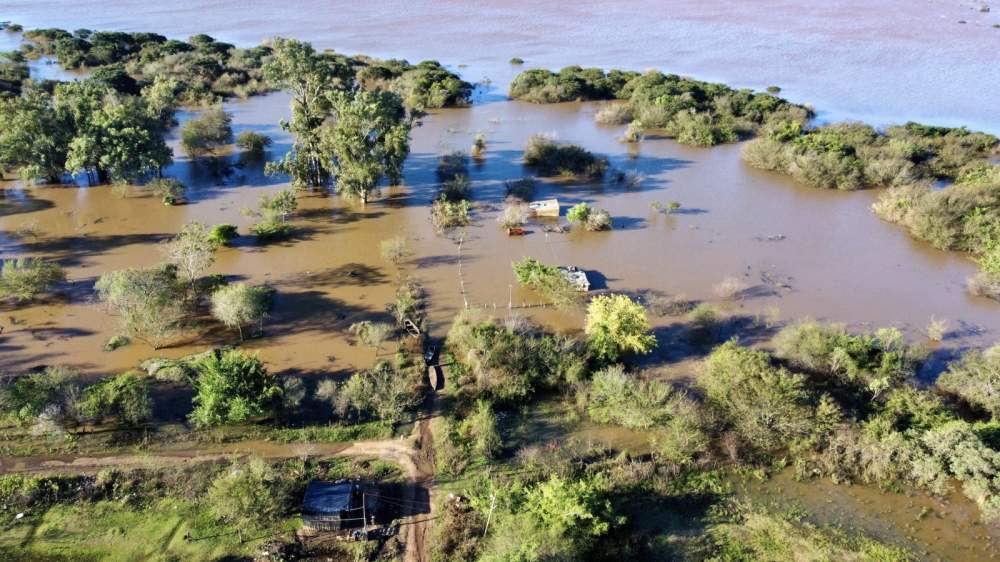
The mighty Uruguay River, a vital artery for the region, is once again asserting its power, triggering a significant hydrological alert across several provinces. As intense rainfall continues to impact its upper basins, communities along its banks are grappling with rapidly rising waters, leading to road closures, evacuation alerts, and a heightened state of vigilance. The most critical flashpoint currently lies in the Garruchos area of Corrientes, where the river's height has dramatically surged to 20.42 meters, a staggering six meters above its evacuation threshold. This article delves into the current situation, exploring the immediate impacts, the broader regional implications, and the underlying factors contributing to this unfolding natural event, all while emphasizing the crucial need to stay informed about the altura del río Uruguay hoy.
The Escalating Crisis at Garruchos: River Levels Soar
The situation in Garruchos, a locality in northeastern Corrientes, has become the epicenter of concern. According to reports from the Prefectura Naval Argentina (PNA), the Uruguay River's level in this critical zone has reached an alarming 20.42 meters. This measurement places it more than six meters above the established evacuation level, indicating an imminent threat to residents and infrastructure. The immediate consequence of this dramatic rise has been the complete interruption of traffic along Provincial Route 94.
This vital provincial artery has been rendered impassable at multiple points, particularly near the bridges over the Arroyo Ciriaco and in the vicinity of the Arroyo Morredor. The sheer volume of water, overflowing from these watercourses and fed by the surging river, has completely invaded the asphalt, making any transit hazardous and impossible. The affected stretch of Route 94 is located strategically near Garabí, specifically in a section at the end of Paraje Atalaya and close to Garruchos itself—a point approximately 359 kilometers east of Corrientes' provincial capital and 113 kilometers south of Posadas, Misiones.
Authorities, including Defensa Civil and Vialidad Provincial, are actively managing the crisis on the ground. They have implemented a total traffic interruption and are coordinating the flow of emergency vehicles, while also advising the public to avoid the area altogether or proceed with extreme caution if absolutely necessary. The gravity of the situation underscores the dynamic and critical nature of monitoring the altura del río Uruguay hoy, especially for those living in or traveling through flood-prone regions. For a more detailed look at specific road closures, read our related article: Uruguay River Swells: Route 94 Closed in Corrientes Due to Flooding.
A Broader Perspective: 18 Ports on High Alert and Regional Impact
While Garruchos faces the most acute challenges, the hydrological alert extends far beyond this single point. The Prefectura Naval Argentina maintains a comprehensive monitoring system across 23 ports along the Uruguay River. Currently, a sobering 18 of these ports are under either alert or evacuation status, experiencing varying pulses of rising water. This widespread vigilance highlights the significant regional impact of the current flood event.
The fluctuating nature of river levels means that while some areas are still seeing increases, others are beginning to show signs of receding. For instance, on Monday, a welcome rhythm of descending river levels was detected in Monte Caseros and Mocoretá in Corrientes, as well as in Federación Embalse, Salto Grande Arriba, and Salto Grande Abajo. This localized relief offers a glimmer of hope amidst the broader crisis, but authorities stress that the overall situation remains precarious and highly dynamic. The Corrientes Police, in conjunction with Vialidad Provincial, have established roadside checkpoints to inform travelers about detours and alternative routes, ensuring public safety and minimizing disruption where possible. This coordinated effort is crucial in mitigating the impact on regional connectivity and the daily lives of affected communities.
The widespread alerts necessitate a coordinated response, involving multiple governmental and emergency agencies. Their collective effort is focused on not only managing the immediate crisis but also on providing timely information to the public, underscoring the vital importance of real-time data on the altura del río Uruguay hoy for effective disaster management and community preparedness.
Understanding the Roots of the Flood: Rainfall, Basins, and Yacyretá
The current flood situation along the Uruguay River is not an isolated event but rather the culmination of a complex interplay of meteorological and hydrological factors. The origins of this crisis can be traced back to intense precipitation patterns in the upper basins of the river systems, particularly those located in Brazil. These rainfall events, often significantly exceeding average volumes, feed vast quantities of water into the major rivers, including the Paraná and, consequently, the Uruguay.
A significant precursor to the current situation was an alert issued on November 14th by the Entidad Binacional Yacyretá (EBY). This warning highlighted new and substantial increases in the level of the Paraná River, a direct result of these intense rains. The EBY specifically noted that the inflowing volumes to the Yacyretá hydroelectric plant, located on the Paraná River near Ituzaingó, Corrientes, had surged due to heavy rainfall in parts of Brazilian territory and within the plant's direct contribution basin. This interconnectedness means that significant rainfall in Brazil can rapidly translate into rising water levels hundreds of kilometers downstream.
It's crucial to remember that this isn't the first time the region has faced such challenges. Earlier this month, more than 150 families in the province were severely impacted by the rising waters of both the Paraná and Uruguay rivers, triggered by similar intense rainfall events in Brazil's upper basin. The increased flow into the Yacyretá dam's reservoir has often been a determining factor in these large-scale flood occurrences. Understanding these hydrological dynamics is key to comprehending why the altura del río Uruguay hoy is subject to such dramatic and rapid changes. For a deeper dive into these causative factors, you might find our article helpful: Corrientes Flood Crisis: How Heavy Rains Impact Uruguay River Levels.
Staying Safe and Informed: Essential Tips During Flood Alerts
In times of hydrological crisis, personal safety and preparedness are paramount. For residents and travelers in areas affected by the rising Uruguay River, staying informed and following official guidelines is not just advisable, but critical. Here are some essential tips:
- Monitor Official Sources: Always rely on information from official bodies like Defensa Civil, the Prefectura Naval Argentina, and provincial authorities. These agencies provide real-time updates on river levels and safety advisories.
- Heed Evacuation Orders: If authorities issue an evacuation order for your area, comply immediately. Do not wait for water levels to reach your property.
- Avoid Flooded Roads: Never attempt to drive, walk, or swim through flooded areas. Even shallow water can conceal dangerous debris, strong currents, or damaged infrastructure. "Turn around, don't drown" is a life-saving mantra.
- Prepare an Emergency Kit: Have an emergency kit ready with essential items such as non-perishable food, bottled water, first-aid supplies, a flashlight, batteries, important documents, and any necessary medications.
- Secure Your Home: If time permits and it is safe to do so, move valuable items to higher ground, disconnect electrical appliances, and turn off utilities before evacuating.
- Stay Connected: Keep your mobile phone charged and have a battery bank. Inform family and friends of your whereabouts and plans.
- Understand River Heights: Familiarize yourself with local evacuation thresholds and understand what the current altura del río Uruguay hoy means for your specific location.
These proactive measures can significantly reduce risks and ensure better outcomes during flood events. The ever-changing nature of the situation demands constant vigilance.
Conclusion
The current hydrological alert along the Uruguay River, highlighted by the critical situation in Garruchos and the widespread port warnings, serves as a stark reminder of nature's power and the vulnerabilities of riverside communities. While authorities work tirelessly to manage the crisis, the ultimate responsibility for safety lies with informed citizens who understand the risks and act accordingly. The interplay of heavy upstream rainfall, the dynamics of large river basins like the Paraná, and the interconnectedness with vital infrastructure such as the Yacyretá dam, all contribute to these challenging conditions. As the region navigates these rising waters, continuous monitoring of the altura del río Uruguay hoy remains essential for ensuring timely responses, protecting lives, and building resilience against future flood events.